British Oversight Patterns in Self-Exclusion Tools for Progressive Jackpot and Live Table Experiences on Mobile Platforms
Rosa Russell · Sep 13, 2026
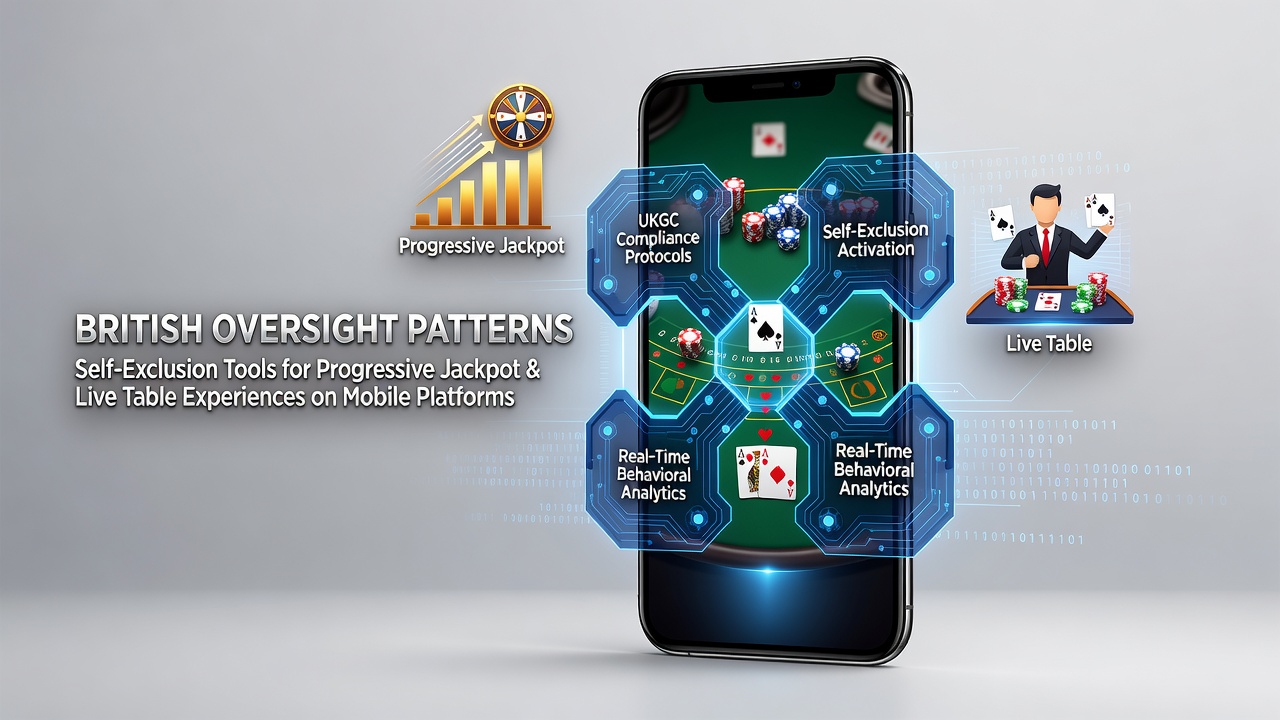
British Oversight Patterns in Self-Exclusion Tools for Progressive Jackpot and Live Table Experiences on Mobile Platforms
Regulatory patterns in Britain have shaped self-exclusion mechanisms for mobile platforms that host progressive jackpot features alongside live table games, and these approaches focus on real-time integration that blocks access to accumulating prize pools while maintaining session continuity for non-excluded users. Observers note that operators must align exclusion protocols with device-specific data streams so that progressive contributions pause automatically once a user activates self-exclusion, whereas live table interfaces require separate handling to prevent re-entry during restricted periods. Data from industry reports shows that mobile applications process exclusion requests through encrypted channels that sync with central databases, and this setup reduces the chance of cross-device loopholes that could otherwise allow continued play on jackpot wheels or dealer-hosted tables.
Core Components of Mobile Self-Exclusion Frameworks
Self-exclusion tools on mobile platforms incorporate account-level flags that extend to both jackpot meters and live dealer streams, and these flags trigger immediate suspension of bonus accumulations while redirecting users to support resources. Researchers have documented that progressive jackpot systems demand precise tracking because contributions from excluded accounts must remain isolated from the shared pool, and live table experiences add complexity through real-time chat and betting interfaces that require instant disconnection protocols. Studies indicate that British oversight emphasizes audit trails for every exclusion event, which helps verify that mobile sessions involving either game type cannot resume until the chosen period expires, and this creates layered verification steps that check both software states and user identity tokens.
Patterns Emerging in Progressive Jackpot Oversight
Progressive jackpot oversight on mobile platforms reveals recurring patterns where exclusion tools must isolate individual contributions without disrupting the overall prize calculation for active players, and operators achieve this through segmented ledgers that update every few seconds. Evidence suggests that when users select self-exclusion, the system freezes any pending jackpot entries and withholds future contributions until the restriction lifts, which maintains fairness across the participant pool. One case documented by analysts involved a mobile app that automatically archived jackpot history for excluded accounts, and this practice allowed seamless reinstatement once the exclusion period ended without requiring manual intervention from support staff. Data indicates that such patterns have become standard because they align with broader requirements for transparent prize pool management on handheld devices.
Handling Live Table Experiences During Exclusion
Live table games present distinct oversight challenges because real-time interaction with dealers and other participants requires exclusion tools to sever connections instantly while preserving game integrity for remaining players, and mobile platforms achieve this through session termination scripts that activate upon exclusion confirmation. Patterns show that British regulators examine how apps handle table re-entry attempts, particularly when users try to join via alternative accounts or VPN routes, and verification layers now include device fingerprinting alongside exclusion database checks. Reports reveal that live table self-exclusion often includes temporary chat muting and bet placement blocks, which prevents any form of engagement during the restricted window, and these measures extend to mobile push notifications that would otherwise alert users to ongoing tables.

Additional patterns emerge around multi-game sessions where a user might switch between progressive slots and live tables within the same app, and oversight requires unified exclusion enforcement that covers both categories simultaneously. Those who monitor compliance note that September 2026 marks the scheduled rollout of enhanced reporting templates that will standardize data capture for these mixed sessions across British-licensed mobile platforms.
Integration Challenges and Technical Responses
Technical responses to oversight demands include API connections between mobile front-ends and exclusion registries that update in near real time, and these connections must accommodate fluctuating network conditions common on handheld devices. Research from the National Council on Problem Gambling highlights how similar synchronization methods appear in other jurisdictions, yet British implementations place extra weight on jackpot-specific pause functions that protect prize integrity. Mobile platforms also incorporate fallback procedures for cases where network interruptions occur during an exclusion request, and these procedures ensure the block takes effect once connectivity restores without allowing interim play on either progressive or live formats.
Comparative Insights from Broader Regulatory Sources
Comparative data drawn from international monitoring bodies shows that British patterns emphasize mobile-specific testing for exclusion accuracy, and one Australian Institute of Family Studies report notes parallel developments in app-based verification that could inform future refinements. Observers track how these tools adapt to software updates on major operating systems, because each new OS release can alter how exclusion flags interact with background processes running jackpot calculations or live streams. Patterns further indicate that quarterly compliance reviews now incorporate anonymized user journey logs to confirm that exclusion periods apply uniformly across game categories without creating unintended advantages or disadvantages.
Conclusion
British oversight patterns continue to refine self-exclusion tools so they address the unique demands of progressive jackpots and live table experiences on mobile platforms through synchronized databases, device-level checks, and scheduled enhancements such as those planned for September 2026. These developments rest on documented technical responses and cross-referenced compliance data that maintain consistent application regardless of game type or session length.