How British rules on player protections link payment choices to jackpot features in live-streamed app sessions
Petra Schmitz · Oct 25, 2026
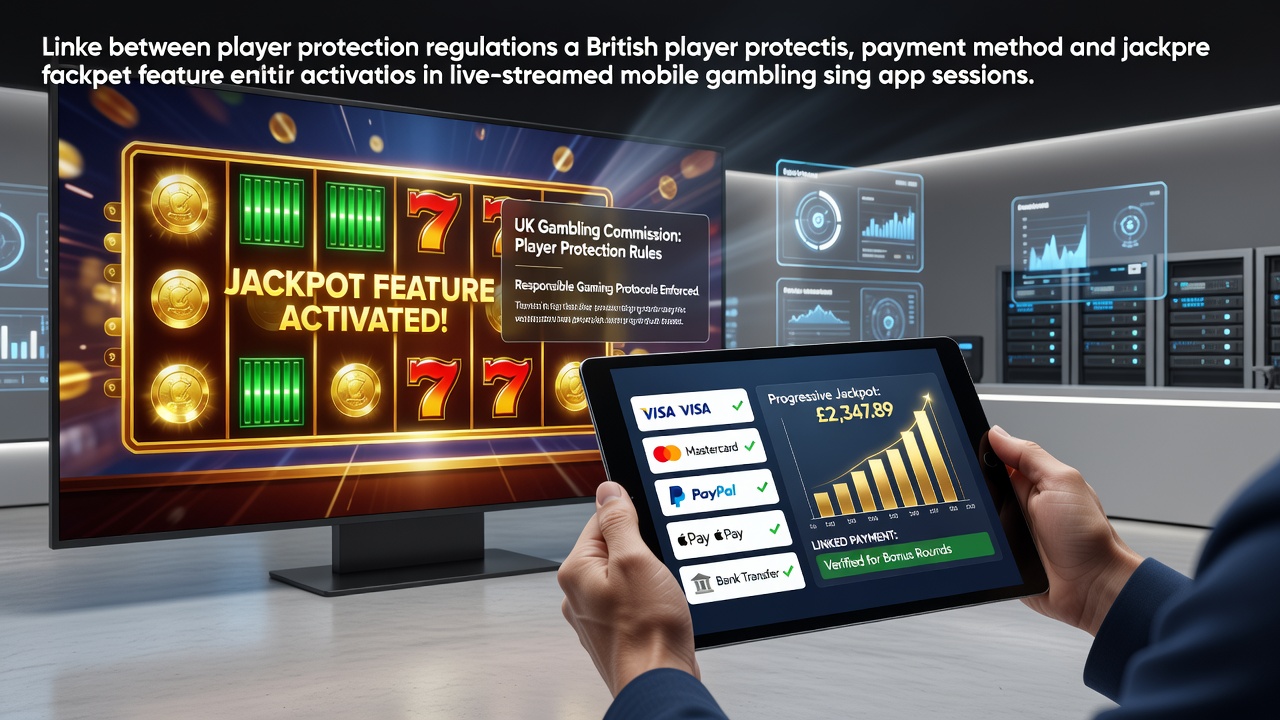
British Regulations Linking Payment Choices to Jackpot Access in Live Mobile Streams
British rules on player protections require operators to connect specific payment methods with access to jackpot features during live-streamed app sessions, and this linkage stems from broader efforts to manage risk exposure across mobile platforms. Those who've examined the framework note that payment selection now serves as a gatekeeper for high-volatility prize elements, particularly when sessions involve real-time video feeds from studio environments. Data from industry monitoring shows operators must verify account funding sources before unlocking cumulative prize pools, which prevents certain deposit types from triggering jackpot eligibility until additional checks complete. Operators integrate these controls directly into app workflows, so users encounter prompts that tie credit or debit card usage to lower jackpot tiers while e-wallet options receive broader access after identity confirmation. Research indicates this structure emerged from updates to consumer protection standards that emphasize transaction traceability, and figures reveal a measurable drop in rapid repeat deposits when payment restrictions apply to live jackpot rounds. Experts have observed that live-streamed formats heighten the need for such measures because real-time interaction can accelerate decision-making during bonus rounds.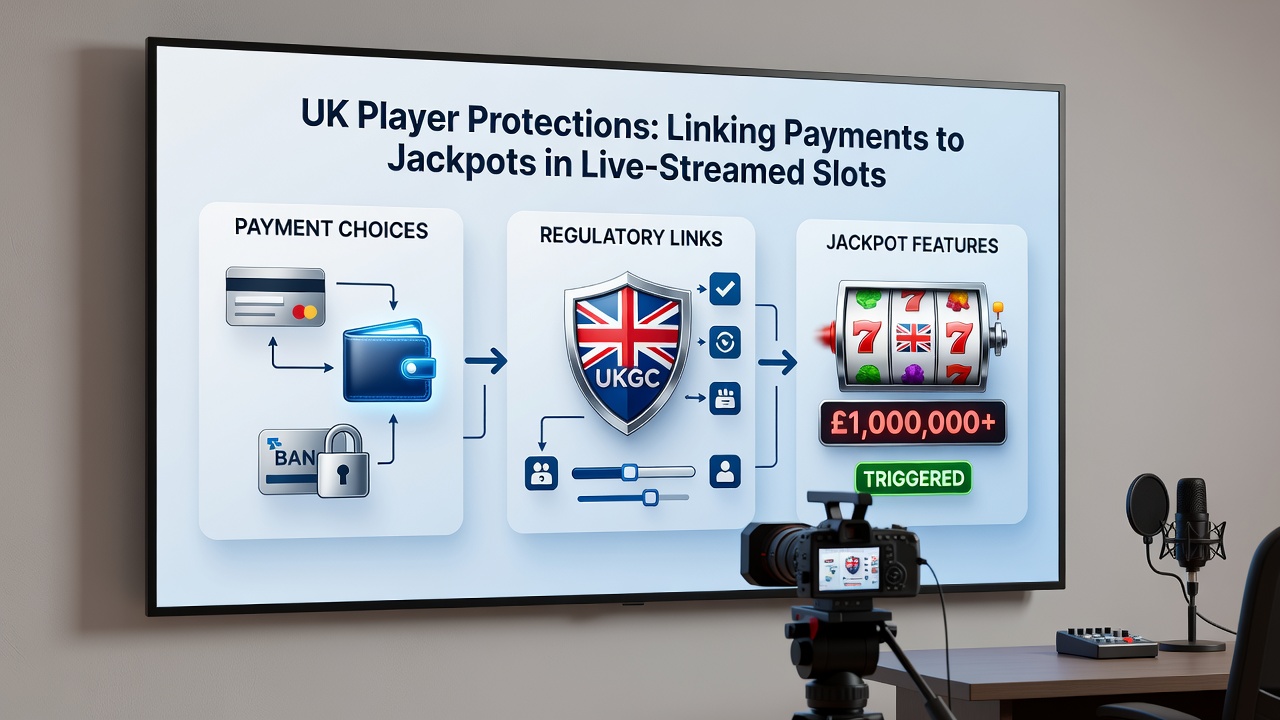
British rules on player protections require operators to connect specific payment methods with access to jackpot features during live-streamed app sessions, and this linkage stems from broader efforts to manage risk exposure across mobile platforms. Those who've examined the framework note that payment selection now serves as a gatekeeper for high-volatility prize elements, particularly when sessions involve real-time video feeds from studio environments. Data from industry monitoring shows operators must verify account funding sources before unlocking cumulative prize pools, which prevents certain deposit types from triggering jackpot eligibility until additional checks complete. Operators integrate these controls directly into app workflows, so users encounter prompts that tie credit or debit card usage to lower jackpot tiers while e-wallet options receive broader access after identity confirmation. Research indicates this structure emerged from updates to consumer protection standards that emphasize transaction traceability, and figures reveal a measurable drop in rapid repeat deposits when payment restrictions apply to live jackpot rounds. Experts have observed that live-streamed formats heighten the need for such measures because real-time interaction can accelerate decision-making during bonus rounds.Payment Verification Requirements in Mobile Environments
Payment choices undergo scrutiny under rules that classify methods according to speed and reversibility, which directly affects jackpot participation in streamed sessions. Faster options like instant bank transfers often receive immediate jackpot eligibility, whereas traditional card payments trigger a cooling period before prize pool contributions activate. Those who've studied compliance patterns report that operators log each payment type against session duration, creating audit trails that regulators review during periodic assessments. This approach ensures jackpot features remain unavailable until the system confirms the funding source aligns with protection thresholds. Live app sessions compound these requirements because streaming technology allows continuous play without natural breaks, and payment-linked safeguards insert mandatory pauses at key moments. Studies found that sessions exceeding 30 minutes with high-stakes jackpot involvement must re-verify payment details, a step that reduces exposure for users who switch funding sources mid-stream. Observers note the process operates seamlessly within the app interface, displaying clear indicators when a payment method unlocks or restricts jackpot access.Jackpot Feature Controls Tied to Funding Sources
Jackpot mechanics in these environments now depend on the initial payment method selected at account funding, which determines whether progressive contributions accumulate during live broadcasts. British oversight patterns specify that certain payment instruments, such as prepaid vouchers, cannot contribute to jackpot pools until converted through verified channels, a rule designed to maintain transaction transparency. Data shows this restriction applies uniformly across app-based live table and slot formats, where cumulative prizes build from player stakes. One case highlighted by analysts involved an operator adjusting its mobile platform so that cryptocurrency deposits required extra confirmation steps before jackpot rounds became available in streamed sessions. The change aligned with protection mandates that separate high-speed funding from direct prize eligibility, and similar adjustments appeared across multiple providers by mid-2025. Researchers discovered that these linkages help track aggregate spend against jackpot win probabilities, providing clearer data for ongoing compliance evaluations.