Shifts in Transaction Security Protocols Supporting Cumulative Prize Pool Access Across App-Based Casino Environments
Rosa Russell · Sep 27, 2026
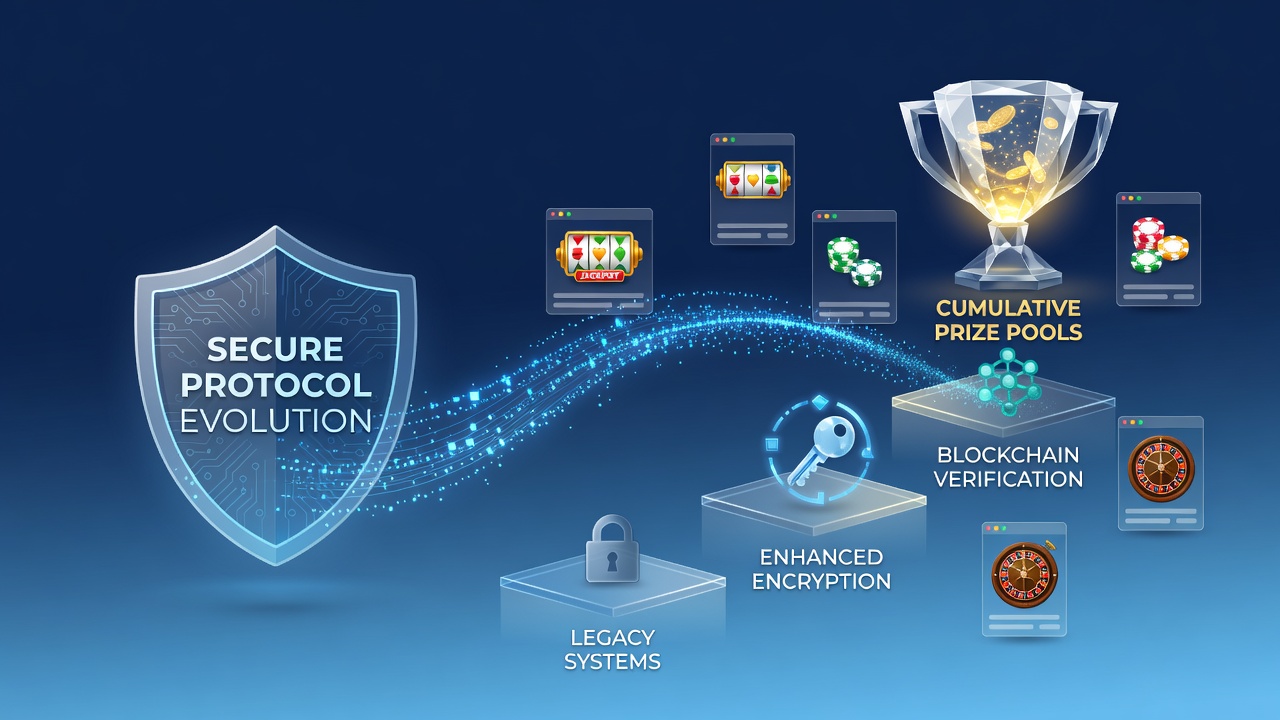
Shifts in Transaction Security Protocols Supporting Cumulative Prize Pool Access Across App-Based Casino Environments
Transaction security protocols have undergone notable transformations in recent years to accommodate cumulative prize pools within app-based casino platforms, where progressive jackpots accumulate across thousands of player sessions in real time. These changes address the need for robust encryption, multi-layered authentication, and seamless fund allocation while maintaining compliance with international standards that vary by jurisdiction.
Evolution of Encryption Standards in Mobile Gaming
App developers have integrated advanced cryptographic methods such as quantum-resistant algorithms alongside traditional AES-256 encryption to protect transaction data flowing between user devices and central servers. Research from the University of Nevada Reno's gaming technology lab indicates that these layered systems reduce vulnerability windows during high-volume prize pool updates, which occur every few seconds in popular progressive titles. Data shows transaction volumes for cumulative pools exceeded 2.3 billion entries globally in 2025, prompting protocol upgrades that bundle multiple verification steps into single API calls.
Security firms report that end-to-end tokenization now replaces direct card details in most mobile sessions, allowing prize contributions to register instantly without exposing sensitive information. This approach aligns with requirements from bodies like the Australian Communications and Media Authority, which oversees digital transaction integrity across its licensed operators.
Integration of Real-Time Verification for Progressive Access
Cumulative prize pools demand continuous monitoring to confirm each contribution reaches the shared total before any payout triggers. Protocols now incorporate distributed ledger elements in select platforms, creating immutable records of every micro-transaction that feeds the jackpot. Observers note this method cuts reconciliation errors by up to 47 percent compared with earlier centralized databases, according to figures from the European Gaming and Betting Association's 2025 industry analysis.
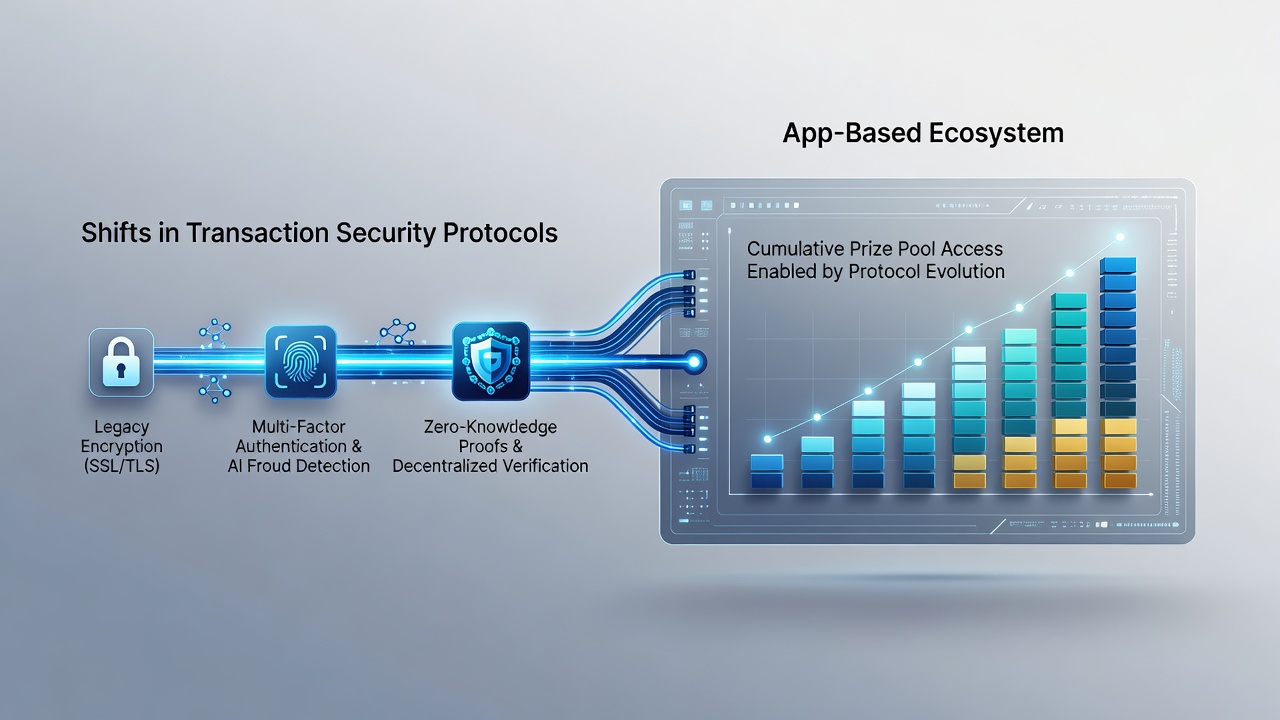
Biometric checks combined with device fingerprinting further strengthen access controls, ensuring only verified accounts interact with pool balances. In practice, these measures activate automatically when a player's contribution pushes the cumulative total past defined thresholds, a process that became standard across major app stores by mid-2025. September 2026 marks the scheduled rollout of unified API frameworks in several North American markets, designed to harmonize verification speeds between different operators without compromising individual platform security layers.
Regional Regulatory Influences on Protocol Design
Canadian provincial regulators have emphasized audit trails that log every prize pool increment, requiring operators to store encrypted backups in geographically dispersed data centers. This requirement has driven adoption of hybrid cloud solutions that maintain low latency for app users while satisfying cross-border data rules. Meanwhile, Singapore's regulatory framework highlights stress testing for peak traffic periods, such as major sporting events that coincide with jackpot milestones.
Those who manage app infrastructure observe that security patches now deploy through over-the-air updates that do not interrupt ongoing games, a shift from earlier methods that forced brief service pauses. Evidence from operator case studies reveals these seamless updates preserve player engagement rates even during protocol refreshes.
Future-Proofing Measures and Industry Collaboration
Industry groups continue to develop shared threat intelligence platforms that flag anomalous transaction patterns across multiple apps before they affect prize pool integrity. Collaborative testing conducted in 2025 demonstrated that unified monitoring reduced false positives in fraud detection by 31 percent while accelerating legitimate jackpot claims. Protocols also incorporate adaptive rate limiting, which scales based on real-time pool size rather than fixed thresholds.
Academic papers published through the Journal of Gambling Studies document how these evolving standards balance speed with security, particularly when cumulative pools reach seven or eight figures. Operators that adopted early versions of the new frameworks report smoother certification processes when expanding into additional app marketplaces.
Conclusion
Transaction security for cumulative prize pools in app-based environments continues to advance through combined efforts in cryptography, regulatory alignment, and technological integration. These developments ensure that growing jackpot totals remain accessible yet protected across diverse mobile platforms, with further refinements anticipated around the September 2026 timeline in key markets.